Empowering Independence: The Role of Individualized Home Supports in Minnesota
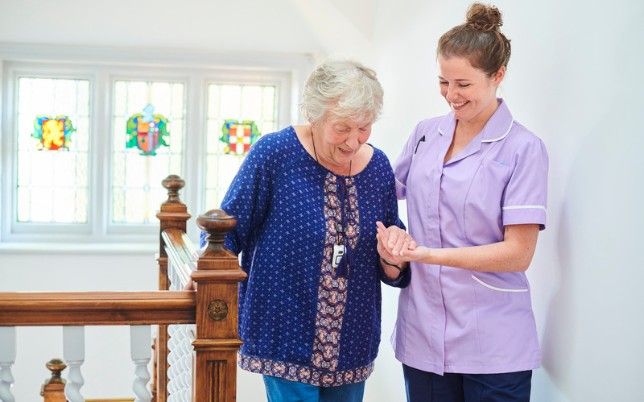
There is much more to assisting people with disabilities and special needs than providing caregiving services. It is about fostering independence and providing opportunities for a meaningful life. This is exactly what Individualized Home Supports (IHS) provide. If you are a family member, a caregiver, or a case manager, knowing how IHS works can help IHS can help individuals receive the right, bespoke care in the comfort of their homes and communities.
This is a life-changing service for numerous people in Minnesota. In this blog, we highlight some of the transformational impact IHS services are having in Minnesota. We explore the uniqueness of the services, and how they help people to manage independence alongside the right level of support.
What Are Individualized Home Supports?
Individualized Home Support (IHS) is a service to assist an individual with a disability to teach, develop and sustain the skills to live as independently as possible. IHS services are offered in the person’s home or the community and are designed around the goals, needs, and preferences of the individual.
IHS services concentrate on assisting with skill development, everyday tasks, community engagement, and active living. These services are categorized under Home and Community-Based Services (HCBS) offered in Minnesota by the Department of Human Services (DHS) and can be offered with or without training, based on the individual’s requirements.
- Categories of IHS Services in Minnesota: IHS services are organized into three categories in Minnesota to ensure adaptability and a more personalized approach to care:
- Individualized Home Supports Without Training: This service category helps individuals with personal care, meal preparation, and light cleaning. These services are offered to individuals who wish to enhance their independence and are not apt to skill building.
- Individualized Home Supports With Training: This focuses on guidance in areas such as budgeting, cooking, communication, problem-solving, and even public transport. The focus is to aid individuals in achieving greater levels of independence over time.
- Individualized Home Supports With Family Training: This category trains or coaches the family and caregivers of the individuals to better aid in the individual’s long-term progress.
IHS Minnesota provides all three levels of IHS services to ensure optimal developmental progress and goal achievement.
Advantages of In-Home Supports
There are a number of key benefits to in-home as opposed to institutional or group care:
- Culture and Atmosphere: The comfort of their own space eases individual worries, increases confidence, and helps them feel safe.
- Tailored Care: Care is tailored to fit the individual’s daily activities, preferred method of communication, and personal objectives.
- Community Participation: In-home support services often integrate community involvement, assisting people in developing social connections and fostering strong community participation.
- Life Skills Programs: Several in-home support services concentrate on life skills training, which fosters greater independence and self-esteem.
- Relative Participation: Through family training, relatives and caregivers become fully trained partners in the individual’s caring process.
- Service Flexibility: Schedules can be tailored on a daily, weekly, or as- needed basis.
Who Stands to Gain the Most from IHS Services?
IHS services are particularly suited to people with disabilities or special needs, especially those who:
- Wish to be more independent but have enduring dependencies.
- Need help with daily activities and personal hygiene.
- Are moving from a residential-supported living arrangement to independent living.
- Reside with family but need help to become more independent within the community.
- Wish to achieve self-regulation, communication, or participation in domestic activities.
In Minnesota, IHS is frequently provided as an alternative to more comprehensive services, and can be built as part of a person’s waiver plan, for example, the Community Access for Disability Inclusion (CADI) or the Developmental Disabilities (DD) waivers.
Choosing the Right IHS Provider in Minnesota
Picking a trusted provider for IHS Minnesota services is an essential choice. Here are a tips:
- Licensed and Experienced: Confirm that the provider is licensed with Minnesota DHS and has a history of providing home-based services.
- Person-Centered Philosophy: An IHS provider should not leave the individual passive in the care planning and decision-making process.
- Consistent Staffing: Continuity is key. Focus on providers that have consistent, trained staff that the individual can rely on.
- Progress Monitoring: The provider should evaluate the acquisition of new skills and update the care plan as the individual matures.
- Family Communication: The provider should communicate and share updates as needed with the family or legal guardian of the individual.
The Future of IHS Services in Minnesota
The rise in demand for individualized home supports is driven by individuals with disabilities and their families preferring in-home care services to group home and center-based care. The increasing demand is expected to be fueled by growing innovation, increasing self-direction, and improvements in assistive technology.
The state is refining policies focusing on promoting inclusion, independence, and quality care to person-centered models. With the evolution of these services, individualized support will enhance opportunities to live more autonomously.
Final Thought: Building a Life of Choice, Not Limits
Every person should have the opportunity to live a purposeful and meaningful life. Achieving this can be made possible with individualized home supports. Whether it is help with daily chores, skill development for future self-sufficiency, or compassionate respite care, IHS services are responsive to the unique needs of each person. The state of Minnesota is increasingly showing families and individuals the positive, and often life-changing, difference home supports can make with the right provider. It’s not only about enhancing a person’s life—it’s about helping them truly thrive.
Frequently Asked Questions (FAQs)
Q1: What are individualized home supports (IHS)?
A: IHS are personalized support services provided in an individual’s home or community to help them maintain or gain independence.
Q2: Who qualifies for IHS services in Minnesota?
A: Individuals with disabilities who are eligible for HCBS waivers like CADI or DD may qualify for IHS in Minnesota.
Q3: What is the difference between IHS with and without training?
A: IHS without training provides help with daily tasks, while IHS with training includes teaching new skills to promote independence.
Q4: Can IHS services be provided to someone living with family?
A: Yes, IHS can be provided in the person’s own home or a family home, and can even include family training and coaching.
Q5: How do I choose a good IHS provider in Minnesota?
A: Look for providers licensed by the Minnesota DHS, with a person-centered approach, experienced staff, and strong family engagement practices.