
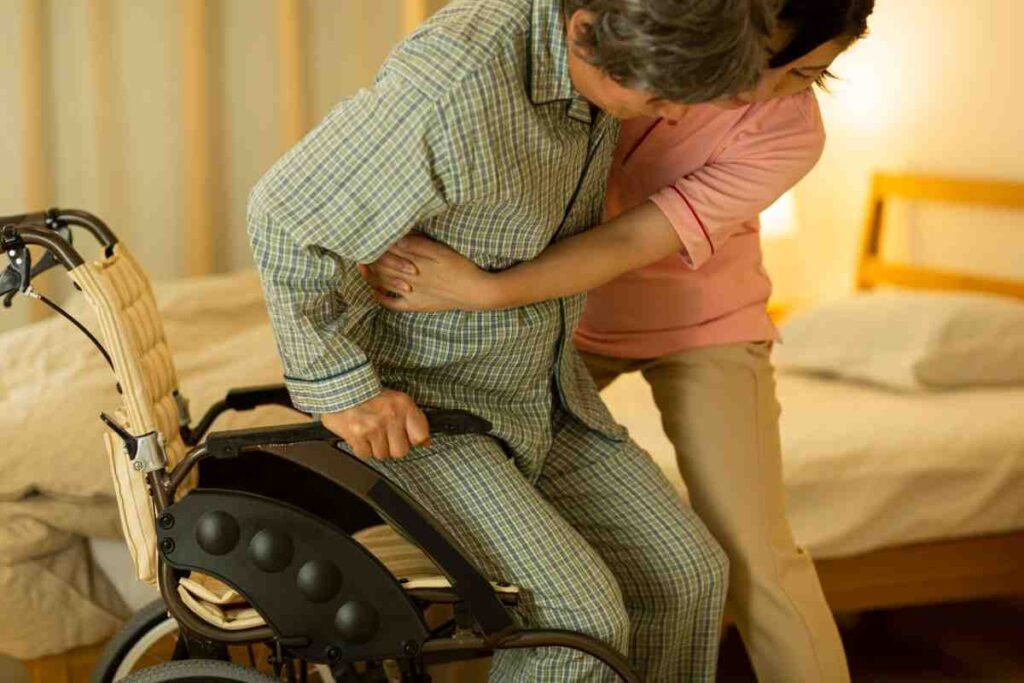
As the world’s population ages, more families are seeking reliable and compassionate solutions for their loved ones. Hospitals and assisted living facilities have their place, but nothing quite matches the comfort and security of being cared for in one’s own home. Home health care service options have transformed how we look at senior and disability support, providing professional medical assistance, emotional companionship, and personal help in the comfort of familiar surroundings.
The Essence of Home Health Care Service
A home health care service is designed to bring medical and non-medical care directly to the patient’s doorstep. It allows individuals who are elderly, recovering from surgery, disabled, or chronically ill to receive the care they need without having to relocate to a facility. The essence of this service lies in its personal touch—every patient gets a care plan tailored specifically to their medical condition, mobility level, and daily routine.
Unlike traditional hospital care, home health care emphasizes independence. Patients get to stay where they feel most comfortable—among familiar faces, photos, and memories. This comfort contributes to faster recovery, lower stress levels, and improved mental health. From wound dressing to medication reminders, from physical therapy to companionship, professional caregivers bridge the gap between medical necessity and emotional well-being.
Why Elder Companion Care Matters
Aging often brings not only physical challenges but emotional ones too. Loneliness and isolation are major health concerns among older adults. That’s where elder companion care makes a profound difference. Companion caregivers are not just helpers—they’re friends, listeners, and trusted supporters who provide comfort and connection.
Elder companion care goes beyond simple assistance. Caregivers often engage seniors in conversations, accompany them on walks, help them pursue hobbies, and encourage social interaction. These seemingly small acts have powerful effects. Studies have shown that consistent companionship can reduce depression, improve cognitive health, and enhance overall happiness in seniors.
Families often notice that their elderly loved ones become more active and positive after regular companion care begins. It’s not just about physical support—it’s about preserving dignity, joy, and purpose in the later stages of life.
The Rising Need for 24 Hour Homecare
In many cases, seniors or patients with advanced medical needs require continuous support. 24 hour homecare offers a complete solution by ensuring round-the-clock supervision and assistance. This level of care is especially beneficial for individuals with Alzheimer’s, dementia, or mobility limitations, as it guarantees safety and peace of mind for both the patient and their family.
With 24 hour homecare, caregivers work in shifts to provide constant coverage. They manage nighttime needs, prevent falls, assist with bathroom visits, and respond quickly in case of emergencies. Families can rest assured knowing their loved one is never alone, no matter the hour.
In addition to physical support, 24 hour caregivers provide companionship through the night, engage clients in meaningful conversation, and maintain routines that support mental and emotional health. This constant presence not only enhances safety but also fosters a comforting sense of security for seniors living at home.
Personalized Care Plans for Every Individual
The beauty of modern home health care services lies in customization. Every client is unique, with different health conditions, preferences, and levels of independence. Professional agencies take the time to assess these factors before designing a care plan that fits like a glove.
For example, a senior recovering from surgery may need temporary 24 hour homecare focused on wound care, medication management, and mobility exercises. Meanwhile, an elderly person living alone might benefit more from ongoing elder companion care to maintain social engagement and prevent isolation.
Customized care plans can include:
- Personal hygiene assistance (bathing, grooming, dressing)
- Mobility support and fall prevention
- Meal preparation and nutrition guidance
- Medication reminders and health monitoring
- Companionship and emotional support
- Transportation to appointments or social outings
The flexibility and adaptability of these plans make home health care an ideal choice for families seeking quality, convenience, and compassion in one package.
Family Involvement and Peace of Mind
Choosing a home health care service doesn’t mean stepping away from caring for a loved one—it means ensuring they get the professional help they deserve while allowing family members to focus on their relationship rather than constant worry.
When families partner with trained caregivers, they gain peace of mind knowing that their loved one’s health, safety, and comfort are prioritized. Caregivers also provide valuable updates, ensuring families are always informed about the client’s condition, mood, and progress.
Many agencies encourage family participation, allowing loved ones to collaborate in care decisions, daily schedules, and wellness goals. This teamwork approach strengthens relationships and ensures that care remains personalized and effective.
The Emotional Impact of Compassionate Care
What truly sets home health care apart is its heart. Every act—whether it’s preparing a favorite meal, assisting with morning routines, or sharing a heartfelt conversation—builds trust and emotional comfort.
Elderly individuals often experience a deep sense of gratitude and relief knowing they’re cared for by someone who respects their independence and values their stories. Compassionate caregivers understand that every person has a lifetime of memories, achievements, and wisdom, and they treat clients with the dignity they deserve.
That emotional connection has a profound effect on healing and overall well-being. When patients feel loved and supported, they tend to be more cooperative with treatments, more optimistic about their health, and more satisfied with life.
The Future of Home-Based Care
With technology advancing rapidly, the future of home health care services looks even more promising. Remote monitoring tools, wearable health devices, and telemedicine make it easier to track vital signs, share data with doctors, and ensure timely interventions.
Yet, even with all the technology in the world, the foundation of great home care remains the same—human compassion. No machine can replace the warmth of a kind word, the patience of a caregiver, or the reassurance of a familiar face.
As more families recognize the value of in-home support, services like elder companion care and 24 hour homecare will continue to evolve, becoming more accessible and holistic.
Final Thoughts
In an era where quality of life matters more than ever, home health care services offer the perfect balance between professional medical support and heartfelt human connection. Whether your loved one needs daily assistance, emotional companionship, or continuous 24 hour homecare, these services ensure they receive care that’s both safe and deeply personal.
By choosing compassionate in-home care, families empower their loved ones to live comfortably, confidently, and joyfully—right where they belong: at home.
FAQs
1. What is the difference between home health care and home care?
Home health care includes medical services provided by licensed professionals, while home care focuses on non-medical assistance such as companionship and daily living help.
2. Who can benefit from elder companion care?
Elder companion care is ideal for seniors living alone, those experiencing loneliness, or anyone who needs emotional and social engagement in addition to practical support.
3. Is 24 hour homecare available for temporary needs?
Yes. 24 hour homecare can be arranged temporarily after surgery, hospitalization, or during recovery, as well as for long-term ongoing support.
4. How do I choose the right home health care service?
Look for licensed providers with trained caregivers, personalized care plans, and transparent communication. Reading client reviews and scheduling a consultation helps you find the best fit.
5. Can families stay involved in the care process?
Absolutely. Families are encouraged to participate in care planning, receive progress updates, and maintain open communication with caregivers to ensure the best outcomes.